The Evolution of Foldable Phones: A 2026 Perspective
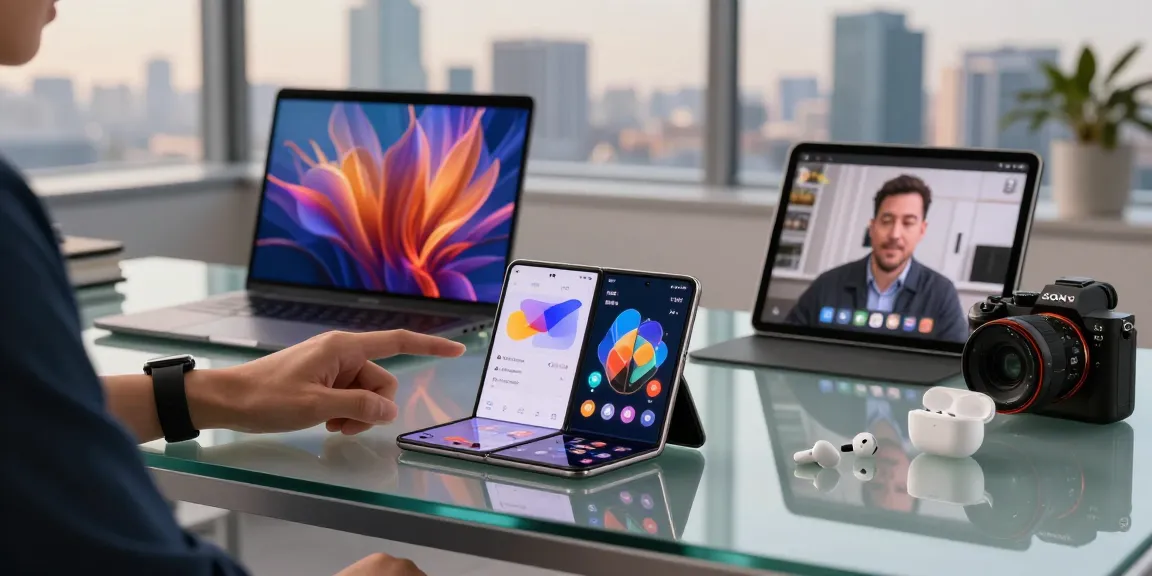
As we move into 2026, the smartphone landscape continues to evolve, with foldable phones leading the charge in innovative technology and design. These devices have transitioned from a niche market to a mainstream choice for consumers, thanks to significant improvements in display technology, hinge mechanisms, and overall durability. This article will examine the key innovations that have shaped foldable phones, compare current models with their predecessors, and discuss market trends and consumer demands in this dynamic segment. For detailed insights on foldable phones 2026, it’s essential to explore what’s driving this evolution.
Key Innovations in Foldable Technology
Over the past few years, innovations in foldable technology have revolutionized how users interact with their devices. The introduction of ultra-thin glass (UTG) has allowed manufacturers to create displays that are not only flexible but also robust enough to withstand daily wear and tear. Additionally, better hinge designs, such as the “waterdrop” hinge, have eliminated visible creases and improved the overall aesthetics of the foldable screens. Enhanced software optimization ensures that apps can seamlessly transition between different display orientations, providing a user experience comparable to traditional smartphones.
Comparative Analysis: 2026 vs. Previous Generations
The landscape of foldable phones in 2026 shows dramatic contrasts with previous generations. Early models often faced criticism for their bulkiness and limited functionality. In contrast, the latest models boast sleeker designs, improved camera systems, and superior battery life, often rivaling those of flagship non-foldable devices. Brands like Samsung and Motorola have set new benchmarks in design and functionality, making foldables not just alternatives but desirable options for tech-savvy consumers.
Market Trends and Consumer Demands
As foldable phones become more popular, several market trends are emerging in 2026. Consumers are increasingly looking for devices that offer versatility—being compact when folded but expansive when unfolded. The demand for multi-tasking capabilities is also rising, leading manufacturers to incorporate features like split-screen multitasking and enhanced window management. Furthermore, the integration of 5G technology has heightened user expectations for fast, reliable connections, driving sales in higher-end foldable models.
Top Foldable Phones in 2026: Our Definitive Guide
Samsung Galaxy Z Fold 7: A Benchmark for Quality
The Samsung Galaxy Z Fold 7 stands out as a benchmark in the foldable phone category. This iteration features an even larger display with an adaptive refresh rate for smoother scrolling and enhanced gaming experiences. The introduction of S Pen support has also made it a favorite among professionals who require precision in their workflow. Samsung’s commitment to durability, with improvements in water and dust resistance, further solidifies its position as a market leader.
Motorola Razr: Blending Nostalgia with Modern Features
Motorola continues to leverage nostalgia with its Razr line, which combines the classic flip design with modern smartphone capabilities. The Razr 2026 iteration comes with a more robust hinge, improved camera specifications, and enhanced battery life, making it a stylish yet functional choice for consumers who appreciate a retro touch without sacrificing performance.
Oppo and Huawei’s Rising Stars
Oppo and Huawei are emerging as formidable competitors in the foldable market, with innovative designs and competitive pricing. Both brands are focusing on creating lightweight, compact foldable phones that appeal to youthful consumers. Oppo’s Find N series has been particularly well-received due to its superior camera quality and cutting-edge user interface, while Huawei’s Mate X2 continues to impress with its seamless folding mechanism and high-end specifications.
What to Consider When Buying a Foldable Phone in 2026
Durability and Design: How Far Have We Come?
When considering a foldable phone, durability and design are paramount. Brands have made significant strides in enhancing the build quality of their devices, incorporating materials that withstand daily use better than earlier models. Understanding the durability ratings and testing methods can help consumers make informed choices about their investments.
Performance Factors: Speed and Battery Life
Performance remains a critical factor for buyers. In 2026, consumers should consider processing power, RAM capacity, and battery longevity, ensuring that their foldable phone can handle multitasking without lagging. Most premium models now feature fast-charging options, allowing users to recharge quickly without sacrificing usage time.
Pricing Strategies: Understanding the Cost of Innovation
The pricing landscape for foldable phones continues to evolve. While the cost of entry remains higher than traditional smartphones, the value proposition is strengthening as features and functionalities improve. Understanding pricing strategies—such as the impact of brand reputation and the role of promotional offers—can help buyers find the best deals.
Challenges Facing Foldable Phones in 2026
Consumer Adoption and Market Penetration
Despite their advancements, foldable phones still face challenges in consumer adoption. Many consumers are hesitant to switch due to concerns about fragility and pricing. Manufacturers need to continue educating potential buyers on the durability improvements and real-world performance of these devices.
Technical Limitations: What Needs Improvement?
While significant progress has been made, technical limitations still exist. Issues like battery life, software optimization, and the need for stronger materials pose ongoing challenges. Continuous R&D investment is essential for overcoming these barriers and enhancing the consumer experience.
Competitive Landscape: Key Players and Market Share
The competitive landscape for foldable phones is rapidly evolving, with numerous players vying for market share. Samsung maintains a dominant position, but brands like Motorola, Oppo, and Huawei are gaining traction by offering innovative products at competitive prices. Understanding the competitive dynamics can help consumers choose the best option available.
Future Predictions: The Next Big Things in Foldable Phones
Innovative Features on the Horizon
Looking ahead, the future of foldable phones promises an exciting array of innovations. Anticipated features may include improved AR capabilities, integration with smart home ecosystems, and even more versatile designs that cater to evolving consumer needs. Expect to see advancements in foldable displays and battery technologies that will further enhance the user experience.
Potential Market Changes and Consumer Behavior
As foldable phones become more mainstream, market changes will likely reflect shifts in consumer behavior. Increased adoption could lead to a broader range of affordable options, while premium models will continue to push the envelope on technology and aesthetics. The demand for environmentally sustainable practices is also expected to influence manufacturing trends.
Expert Insights: What Industry Leaders Predict for 2027 and Beyond
Industry experts believe that 2027 could mark the tipping point for foldable phones, with consumer adoption reaching new heights. By embracing sustainable practices and enhancing user experiences, manufacturers are poised to capture a larger portion of the smartphone market. Continued innovation and responsiveness to consumer feedback will be vital for long-term success in this dynamic sector.
Are foldable phones 2026 a worthwhile investment?
For tech enthusiasts and professionals who value versatility and cutting-edge technology, foldable phones in 2026 represent a worthwhile investment. With advancing features, improved durability, and a growing ecosystem of apps optimized for foldable displays, the benefits may outweigh the higher price tag.
How do foldable phones compare to traditional smartphones?
Foldable phones offer unique advantages over traditional smartphones, particularly in terms of screen real estate and multitasking capabilities. While they may come at a premium, the ability to fold the phone and store it compactly can enhance portability without sacrificing functionality.
What features should I look for in a foldable phone?
When considering a foldable phone, look for features such as display quality, hinge design, battery life, and software support. Ensure that the device is user-friendly and reliable, with ample storage and processing power to meet your needs.
When will the next generation of foldable phones be released?
While specific release dates can vary, many manufacturers are expected to unveil their next generation of foldable phones during major tech events and trade shows. Keeping an eye on announcements from leaders like Samsung, Motorola, and Huawei can provide insights into upcoming models.
Are there any budget-friendly foldable options available?
Yes, as the technology matures, manufacturers are beginning to offer more budget-friendly options without compromising essential features. Brands are focusing on delivering value for money, making foldable phones more accessible to a broader audience.