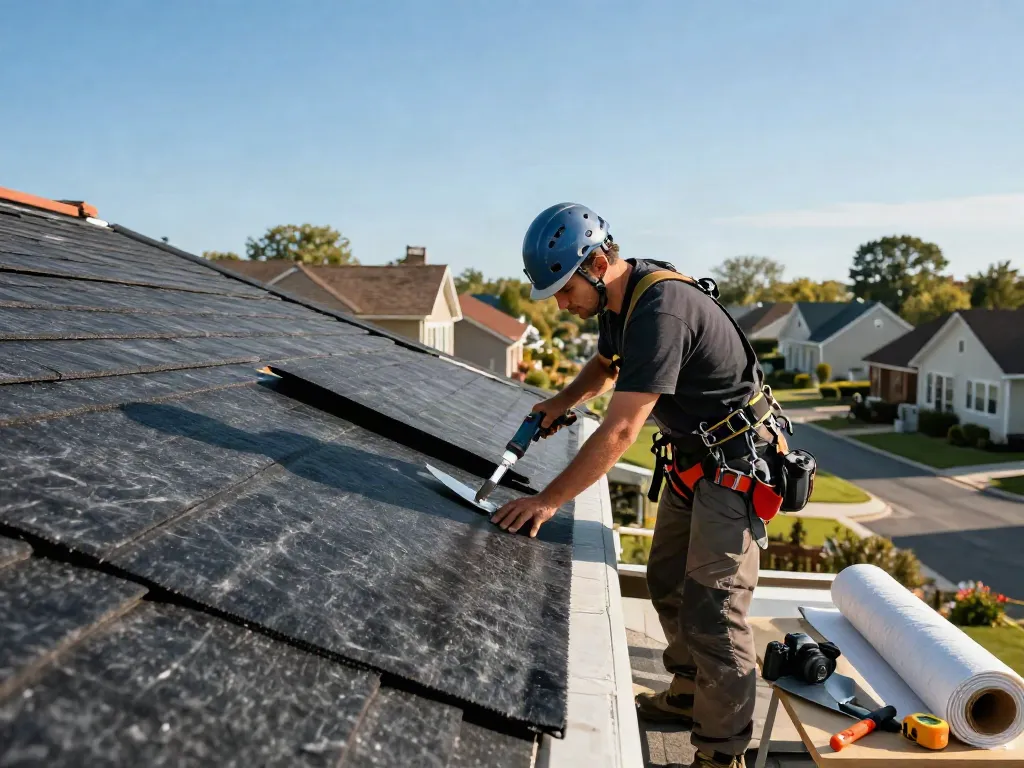
Understanding Felt Roofing: Basics and Benefits
Felt roofing is a popular choice for flat and low-pitched roofs due to its affordability and effectiveness in providing protection against the elements. This roofing material consists of layers of felt, typically made from fiberglass or bitumen, which are bonded together using heat or adhesives. As a result, felt roofing offers a robust and waterproof solution suitable for various types of structures. When exploring options, felt roofing provides comprehensive insights into selection, installation, and maintenance.
What is Felt Roofing?
Felt roofing refers to a flat roofing system made up of multiple layers of roofing felt saturated with bitumen. The base layer is typically made from fiberglass, while the top layer may be coated with a mineral surface for extra protection against UV degradation. Felt roofing is commonly used for garages, extensions, porches, and other structures where a durable, waterproof covering is essential.
Advantages of Using Felt Roofing
- Cost-Effectiveness: Felt roofing is generally less expensive than other materials such as tiles or metal roofing.
- Waterproof Protection: Its layered structure effectively prevents water ingress, making it ideal for flat roofs.
- Quick Installation: The installation process is relatively straightforward, often allowing for rapid completion.
- Low Maintenance: When installed correctly, felt roofing requires minimal maintenance, leading to reduced long-term costs.
- Versatile Applications: Suitable for various buildings, including sheds, garages, and residential homes.
Common Applications of Felt Roofing
Felt roofing is frequently used in a variety of scenarios. Common applications include:
- Residential garages
- Home extensions and conversions
- Porches and awnings
- Commercial buildings
- Garden sheds and outbuildings
Choosing the Right Felt Roofing Material
Different Types of Felt Roofing Materials
When selecting felt roofing, understanding the different types available can significantly affect the longevity and performance of your roof. Generally, there are two main types of felt roofing materials:
- Bitumen Felt: This traditional option comes in two variants – torch-on and self-adhesive. Torch-on felt requires heating during installation for bonding, while self-adhesive felt allows for easier application without a torch.
- Fiberglass Felt: Known for its durability and resistance to tearing, this option is often reinforced with fiberglass matting, enhancing its strength and lifespan.
Evaluating Quality: What to Look For
When assessing the quality of felt roofing materials, consider the following factors:
- Weight: Heavier felt generally indicates higher quality and durability.
- Layer Count: Multiple layers provide enhanced protection against weather elements.
- UV Resistance: Ensure the top layer has UV protective properties to prolong the roof's lifespan.
- Manufacturer Reputation: Choose materials from reputable manufacturers known for quality products.
Comparing Costs: Material Selection and Budgeting
Budgeting for felt roofing can vary based on the type and quality of material selected. Generally, while bitumen felt can be more affordable, investing in high-quality fiberglass may offer better long-term savings due to its durability. Homeowners should also consider installation costs and potential future maintenance when comparing options.
Installation Process for Felt Roofing
Step-by-Step Guide to Installing Felt Roofing
The installation of felt roofing can be accomplished in several steps:
- Preparation: Ensure the roof deck is clean and dry. Remove any old roofing materials if necessary.
- Measuring: Measure the roof area to determine how much felt is needed.
- Installing the Base Layer: Lay the first layer of felt across the roof, ensuring it overhangs the edges slightly.
- Sealing Joints: Use a torch or adhesive to secure the seams and ensure waterproofing.
- Applying Additional Layers: Repeat the process with up to three layers, depending on the desired thickness and durability.
- Finishing Touches: Add a protective mineral surface layer for UV resistance and longevity.
Tools and Equipment Required for Installation
Required tools for installing felt roofing include:
- Utility knife or roofing knife
- Measuring tape
- Chalk line
- Roller for smoothing
- Propane torch (for torch-on felt)
- Safety gear (gloves, goggles, etc.)
Common Mistakes to Avoid During Installation
To ensure proper installation and avoid costly errors, consider these common mistakes:
- Skimping on materials – always use high-quality felt and adhere to recommended layers.
- Insufficient surface preparation can lead to poor adhesion and leaks.
- Neglecting to overlap seams, which can create vulnerable areas in the waterproofing.
- Ignoring proper ventilation, which is critical for preventing moisture build-up underneath the roofing.
Maintenance and Repair of Felt Roofing
Regular Maintenance Tips for Longevity
To extend the life of your felt roofing, follow these maintenance tips:
- Perform regular inspections, particularly after severe weather conditions.
- Keep gutters and drains clear to prevent water pooling on the roof.
- Address minor repairs promptly to avoid more extensive damage.
- Clean the surface to remove debris and algae buildup that can degrade the felt.
Identifying Common Issues with Felt Roofing
Common issues associated with felt roofing include:
- Water pooling indicating improper drainage.
- Cracks or splits, often caused by aging or poor installation.
- Blistering due to trapped moisture under the felt.
- Loose edges, which may allow water ingress.
When to Seek Professional Help for Repairs
If you encounter significant leaks, widespread damage, or if the roof has reached its estimated lifespan, it’s time to consult a professional roofer specializing in felt roofing. Experienced contractors can provide thorough inspections and effective solutions.
Future Trends in Felt Roofing and Sustainability
Innovations in Felt Roofing Technology
The roofing industry is witnessing advancements in felt roofing technology. Innovations include:
- Use of environmentally friendly materials that reduce the carbon footprint of roofing installations.
- Enhanced durability features, such as advanced UV protection coatings to enhance longevity.
- Integration with solar technologies for renewable energy installations.
Eco-Friendly Options for Felt Roofing
More homeowners are considering sustainable roofing options. Eco-friendly felt roofing products may include:
- Recycled materials that contribute to reducing environmental impact.
- Low VOC adhesives that minimize harmful emissions during installation.
- Green roof systems that incorporate vegetation on rooftops.
Predictions for the Roofing Industry in 2026
The felt roofing sector is expected to evolve significantly by 2026, with trends leaning towards:
- Increased demand for energy-efficient roofing solutions.
- Greater emphasis on sustainable practices and materials.
- Innovative installation techniques that improve durability and reduce labor costs.
What are the costs associated with felt roofing?
The costs can vary based on material quality, project size, and labor. On average, expect to spend between £50 to £80 per square meter for installation, including materials and labor.
How long does felt roofing typically last?
With proper maintenance, felt roofing can last anywhere from 10 to 20 years. High-quality materials and professional installation can further extend its lifespan.
Can I install felt roofing myself?
While it is possible to install felt roofing as a DIY project, it is recommended to hire professionals to ensure proper installation and avoid potential pitfalls that could lead to leaks or premature deterioration.
What should I consider when hiring a roofing contractor?
Evaluate contractors based on their experience with felt roofing, ask for references, ensure they have valid insurance, and obtain multiple quotes to compare pricing and services offered.
Are there eco-friendly options for felt roofing?
Yes, many manufacturers now offer eco-friendly felt roofing options made from recycled materials and low-emission adhesives, aligning with sustainable building practices.