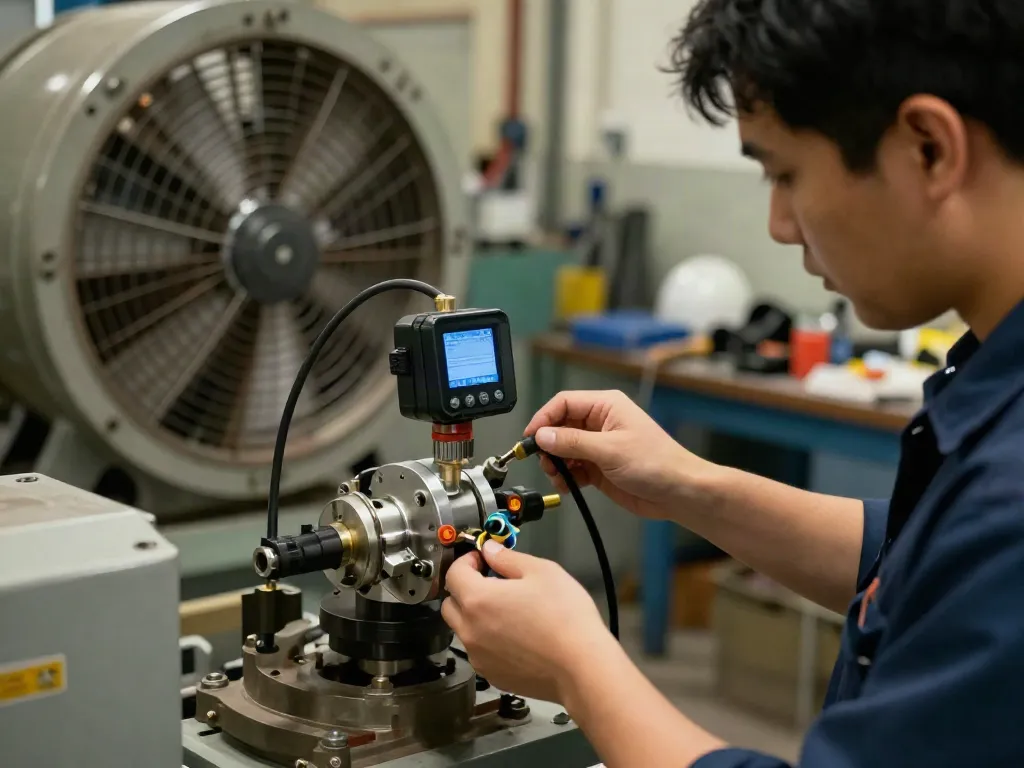
Understanding Mechanical Pressure Switches
Mechanical pressure switches are critical components in various industrial systems, serving to monitor and control pressure levels efficiently. These devices function by utilizing mechanical principles to detect pressure changes, making them essential for ensuring safety and reliability in applications such as HVAC systems, hydraulic machinery, and compressors. LEFOO's mechanical pressure switches exemplify high precision and robust performance engineered for demanding environments. When exploring options, pressure switch manufacturer insights can guide your selection process.
What is a Mechanical Pressure Switch?
A mechanical pressure switch is an electromechanical device that opens or closes a circuit in response to pressure changes in a system. When pressure reaches a predetermined set point, the switch activates or deactivates, controlling the operation of connected machinery or processes. This action helps maintain optimal pressure levels and protects systems from pressure-related failures. They are often used in applications requiring precise pressure control, such as in heating and cooling systems, oil and gas industries, and manufacturing processes.
Key Components and Their Functions
Understanding the components of a mechanical pressure switch is crucial for grasping how these devices work. Here are the primary parts:
- Diaphragm: The diaphragm is a flexible membrane that moves in response to pressure changes. Its movement causes the switch to open or close the electrical contacts.
- Electrical Contacts: These contacts make or break the electrical circuit based on diaphragm movement, allowing or interrupting the flow of electricity.
- Adjustment Mechanism: Most mechanical pressure switches feature an adjustment mechanism that allows users to set the precise pressure thresholds for activation.
- Housing: The robust construction of the housing protects internal components from environmental factors, ensuring durability and longevity.
Applications in Various Industries
Mechanical pressure switches find applications across a range of industries due to their reliability and effectiveness. Key applications include:
- HVAC Systems: Used to monitor and control pressure in heating and cooling systems, ensuring efficient operation and energy savings.
- Hydraulics: Integral in hydraulic systems for controlling fluid pressure, preventing system overloads.
- Compressor Systems: Used to regulate the pressure in air compressors, enhancing performance and preventing damage.
- Water Supply Systems: Helps maintain consistent water pressure in municipal water systems or private well systems.
- Industrial Machinery: Employed in various machinery to ensure pressure levels are maintained for optimal operation and safety.
Choosing a Reliable Pressure Switch Manufacturer
When selecting a manufacturer for mechanical pressure switches, several critical factors should be considered to ensure quality and performance. The choice of pressure switch manufacturer can significantly impact the efficiency and reliability of your systems.
Factors to Consider When Selecting a Manufacturer
Choosing a manufacturer is not just about price; it involves assessing various attributes:
- Reputation: Look for manufacturers known for their quality and reliability in the industry.
- Quality Assurance: Ensure they provide products that meet industry standards and have a robust quality control process.
- Technical Support: Opt for companies that offer comprehensive technical support and customer service.
- Customization Options: Consider manufacturers that can customize products to meet specific needs.
- Availability of Spare Parts: The ease of acquiring replacement parts and service can be vital for long-term maintenance and support.
Importance of Quality and Certification
Quality and certification play a significant role in the pressure switch manufacturing process. Devices that adhere to international safety and performance standards, such as ISO or CE certifications, indicate a commitment to quality. These certifications ensure manufacturers follow rigorous testing and quality assurance processes, which translates to enhanced reliability and safety in various applications.
Comparing Leading Manufacturers in 2026
By 2026, the market for pressure switches is expected to evolve, showcasing numerous manufacturers vying for attention. Key players will likely include established brands as well as emerging companies that innovate with new technologies and materials. When comparing manufacturers, consider:
- Product Range: A diverse product range can provide better solutions for your specific requirements.
- Technological Advancements: Look for manufacturers that invest in research and development to enhance product features.
- Market Presence: Well-established manufacturers often have a proven track record and reliability.
Installing and Calibrating Pressure Switches
Proper installation and calibration of mechanical pressure switches are essential to ensure accurate performance and prolong the lifespan of the device. Follow these guidelines to achieve successful implementation.
Step-by-Step Installation Guide
Installing a mechanical pressure switch involves the following steps:
- Select the Appropriate Location: Choose a location that allows for easy access for maintenance and is protected from environmental factors.
- Prepare the Mounting Surface: Ensure the surface is clean and compatible with the mounting requirements of the switch.
- Connect the Pressure Source: Securely connect the pressure source to the switch, ensuring all fittings are tight to prevent leaks.
- Electrical Connections: Make the necessary electrical connections according to the manufacturer’s instructions.
- Test the Functionality: Before finalizing installation, test the switch to ensure it activates and deactivates as intended.
Calibration Techniques for Accurate Performance
Calibration is a critical step to ensure that a pressure switch operates within desired thresholds. Techniques include:
- Using an Accurate Pressure Gauge: Connect a calibrated pressure gauge to the same location as the pressure switch to compare readings.
- Adjusting Set Points: Use the external adjustment screw to set the switch’s activation point based on the pressure gauge readings.
- Performing a Functional Test: After calibration, run a functional test to ensure the switch operates correctly throughout its pressure range.
Common Installation Mistakes to Avoid
To ensure successful installation and operation, be aware of these common pitfalls:
- Inadequate Sealing: Failing to properly seal connections can lead to leaks and inaccurate readings.
- Incorrect Electrical Wiring: Ensure electrical connections match the schematics provided by the manufacturer to avoid failures.
- Ignoring Environmental Conditions: Neglecting the environment in which the switch will operate can lead to premature wear or failure.
Maintaining Your Mechanical Pressure Switch
Regular maintenance is key to ensuring the longevity and reliability of mechanical pressure switches. Implementing routine checks can prevent unexpected failures and costly downtimes.
Routine Maintenance Practices
To maintain optimal functionality, consider the following practices:
- Regular Visual Inspections: Check for signs of wear, corrosion, or damage.
- Testing Calibration: Periodically verify the calibration of the switch using accurate pressure gauges.
- Cleaning: Keep the switch clean from dust and debris that can affect its performance.
Signs of Wear and When to Replace
Recognizing when to replace a mechanical pressure switch is crucial for maintaining system integrity. Key signs of wear include:
- Inconsistent Readings: If the switch starts delivering erratic or inaccurate pressure readings, it may be time for a replacement.
- Physical Damage: Visible signs of wear, such as cracks or leaks, indicate the device may no longer be reliable.
- Frequent Activations: An uptick in cycle frequency could signal that the switch is failing and requires replacement.
Impact of Maintenance on Performance and Longevity
Proper maintenance not only prolongs the life of your mechanical pressure switch but also enhances performance. Routine checks can identify potential issues before they compound, ensuring continual operation and reducing downtime.
Future Trends in Pressure Switch Manufacturing
The future of pressure switch manufacturing is poised for innovation, driven by technology and market demands. Understanding these trends can help manufacturers and users alike prepare for changes in this critical industry.
Emerging Technologies in Pressure Switches
Innovation in pressure switch technology is focused on enhancing accuracy, reliability, and responsiveness. Key emerging technologies include:
- Smart Sensors: Integrating IoT capabilities allows for remote monitoring and diagnostics, making pressure management more efficient.
- Advanced Materials: Using durable, lightweight materials can improve the lifespan and performance of switches, especially in harsh environments.
- Digital Displays: Incorporating digital interfaces for real-time monitoring enhances usability and precision in readings.
Predicted Market Shifts by 2027
By 2027, the pressure switch market is expected to experience several shifts, including:
- Increased Demand in Industrial Automation: The ongoing shift towards automation will drive demand for advanced pressure monitoring solutions.
- Focus on Energy Efficiency: Companies will likely prioritize energy-efficient solutions that can help reduce operational costs.
- Global Supply Chain Changes: Manufacturers may need to adapt to global supply chain adjustments that influence raw materials and component availability.
Sustainable Practices in Manufacturing
As industries move towards more sustainable practices, pressure switch manufacturers will need to adapt. Strategies may include:
- Material Recycling: Utilizing recyclable materials can reduce waste and environmental impact.
- Energy-efficient Production: Implementing energy-efficient processes in manufacturing can help decrease carbon footprints.
- Product Lifecycle Management: Focusing on designing products that are easier to maintain and recycle at the end of their lifespan will become increasingly important.